
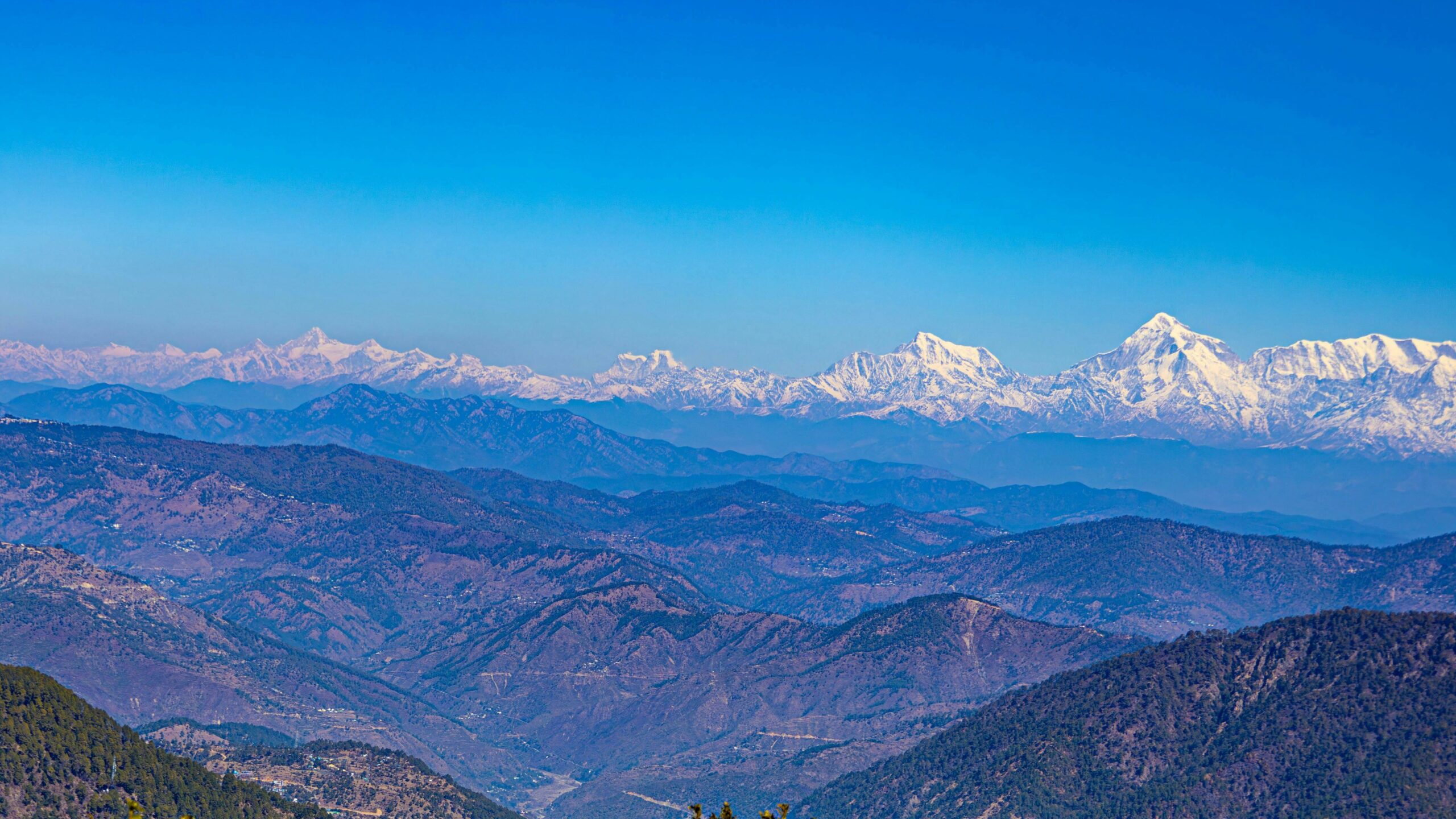
We were four friends, two destinations, and zero preparation. That’s how our 3-day boys’ trip to Mukteshwar from Delhi started-no thermals, no spare tyre, and a collective belief that “something will work out.” What we didn’t know was that Mukteshwar (the “abode of the lord Shiva”) would test every ounce of our preparedness while simultaneously showing us the kind of Himalayan beauty that makes you question why you spend 90% of your life in front of a laptop.
This is the story of tyre punctures middle of nowhere, a leopard sighting that made us question our life choices, Kumaoni food that remind us our childhood, and mountains that humbled us in the most beautiful way possible.
Day 1: Delhi to Mukteshwar – The Great Escape and the Great Puncture
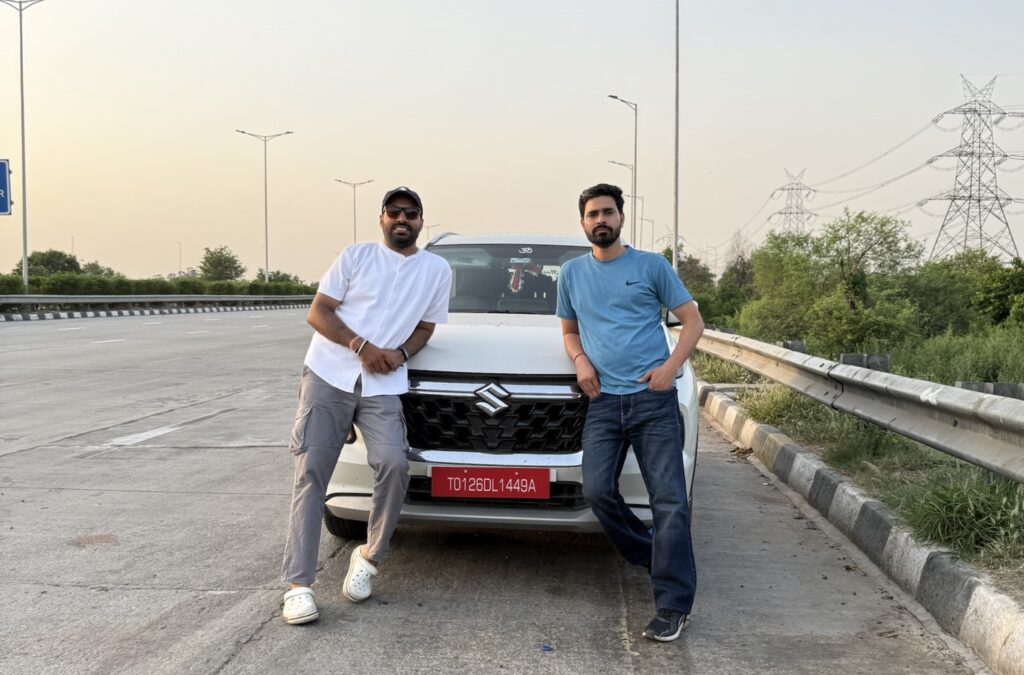
5:00 AM, Sunday Morning. We left Delhi with our New Grand Vitara packed to the brim-snacks, water bottles, a Bluetooth speaker, and an attitude of “we got this.” The route was simple: Delhi → Moradabad → Rampur → Bhimtal → Mukteshwar (385 km, 9-10 hours).
The Morning Magic:
By the time we crossed Morandabad, the flat plains of Uttar Pradesh gave way to rolling hills. The Ganges River became visible, and the air started feeling crisper. I was driving, and by 10:30 AM, I was already regretting my life choices. The hills weren’t gentle-they were steep, winding, and demanded 100% of my attention.
11:30 AM, Near Bhimtal: We stopped at a small dhaba for chai and parathas. ₹450 for the four of us. The chai was strong, the parathass were hot, and the mountains in the background were breathtaking. I thought, “This is going to be easy. We’re going to have the best time.”
Oh, how wrong I was.
1:45 PM, The Day That Changed Everything:
We were 40 kilometers from Mukteshwar, climbing up a narrow mountain road when I heard it – that sickening, unmistakable sound of a tyre losing air. Puncture.
I pulled over, heart racing. We all got out, looked at the flat tyre, and then looked at each other.
“Do we have a spare?” my friend asked.
Everyone looked at the trunk. Everyone looked at the ground.
No spare tyre.
The reality hit us like a truck. We were 40 kilometers from Mukteshwar, on a mountain road with no phone signal, no spare tyre, and a tyre that was officially dead.
The Next 4 Hours:
What followed was pure chaos. We walked 3 kilometers down the mountain road looking for help. We found a small mechanic shop that was closed for lunch. The mechanic, an elderly man named Shyam, looked at us, sighed, and said, “Wait one hour hour. Come back after lunch.”
One hour. In the midday sun. No water. No shade. Just us, our flat tyre, and the growing realization that we’d underestimated everything about this trip.
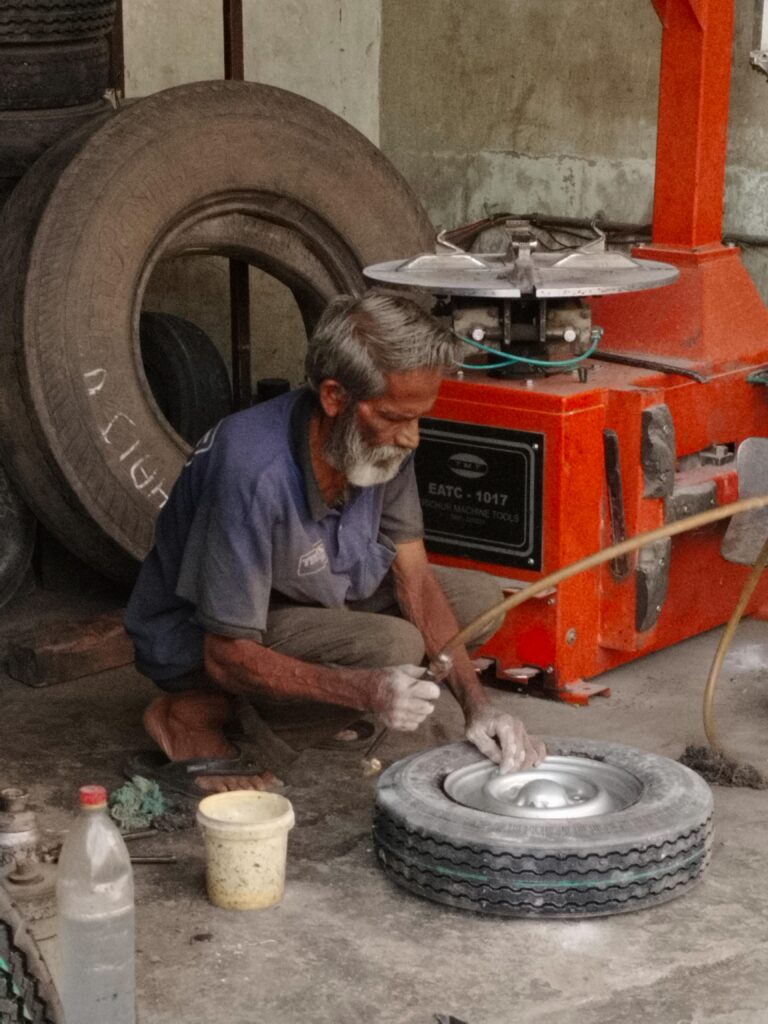
When Shyam uncle returned, he checked the tyre: a sharp stone cut the tyre from side. He patched it (₹500), but it took hours to fully inflate. . We paid Shyam (₹500 total including the patch), apologized profusely, and drove the remaining 40 kilometers to our actual homestay in Mukteshwar.
The Arrival in Mukteshwar:
We reached our homestay at 5:30 PM, exhausted, hungry, and now realizing something crucial: none of us had brought thermals.
The temperature at Mukteshwar (1,880 meters elevation) was 15°C. We were wearing t-shirts, jeans, and light jackets. We thought “it’s May, how cold can it be?”
Answer: Freezing.
Our Homestay:
We stayed at “Didi Buli Homestay” run by a local Kumaoni family. ₹3,200 per room per night (₹800 per person). The room was basic—two beds, 4 blankets, a Big window with 180 degree mountain views. The bathroom was shared, cold & Hot water available, but the hosts were warm, the food was coming, and we were alive.
Dinner: Our host’s wife, Aunty, made us Kumaoni food that absolutely blew our minds:
- Bhatt ki Churkani (black soybean curry)
- Aloo ke Gutke (spiced potatoes)
- Madua ki Roti (finger millet flatbread)
- Gahat ki Dal (horse gram lentils)
- Chutney (mint and garlic)
Total: ₹860 for four people.
I’ve eaten at five-star hotels in Delhi. I’ve tried gourmet food in Mumbai. But I’ve never had food that tasted like home the way Aunty’s Kumaoni cooking did. The spices were perfect, the portions were generous, and the warmth in every bite was unforgettable.
Day 1 Cost Breakdown:
- Fuel (Delhi to Mukteshwar, 385 km): ₹3,080 (₹770 per person)
- Tolls: ₹690 (₹170 per person)
- Puncture repair: ₹500 (₹125 per person)
- Chai and Parathas: ₹450 (₹112 per person)
- Dinner (Kumaoni food): ₹860 (₹215 per person)
- Breakfast (homestay): ₹400 (₹100 per person)
- Accommodation: ₹3,200 (₹800 per person)
- Total per person: ₹2,292
My Reality Check:
- Leave Delhi by 5 AM to avoid traffic and reach by evening.
- Carry a spare tyre. I learned this the hard way.
- Bring thermals. Even in May, the mountains are cold.
- Download offline maps. Phone signal is unreliable.
- Kumaoni food is life. Don’t skip it.
Day 2: Jageshwar, Vridh Jageshwar, Dol Ashram, and Kasar Devi – Temples, Meditation, and a Leopard
6:00 AM: We woke up shivering. The night had been brutal-cold water in the bathroom, freezing sheets, and a wind that sounded like it was trying to break through the windows.
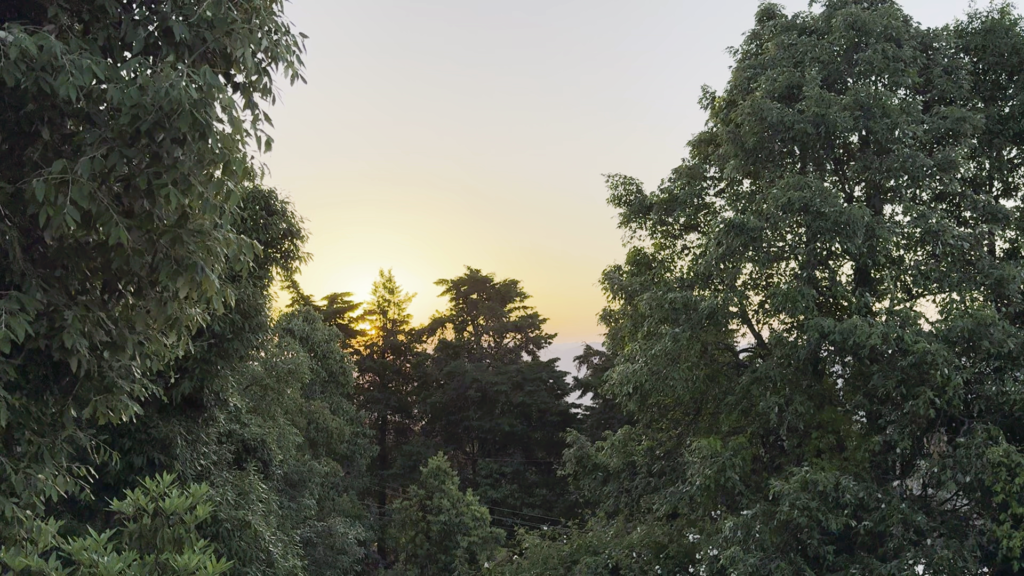
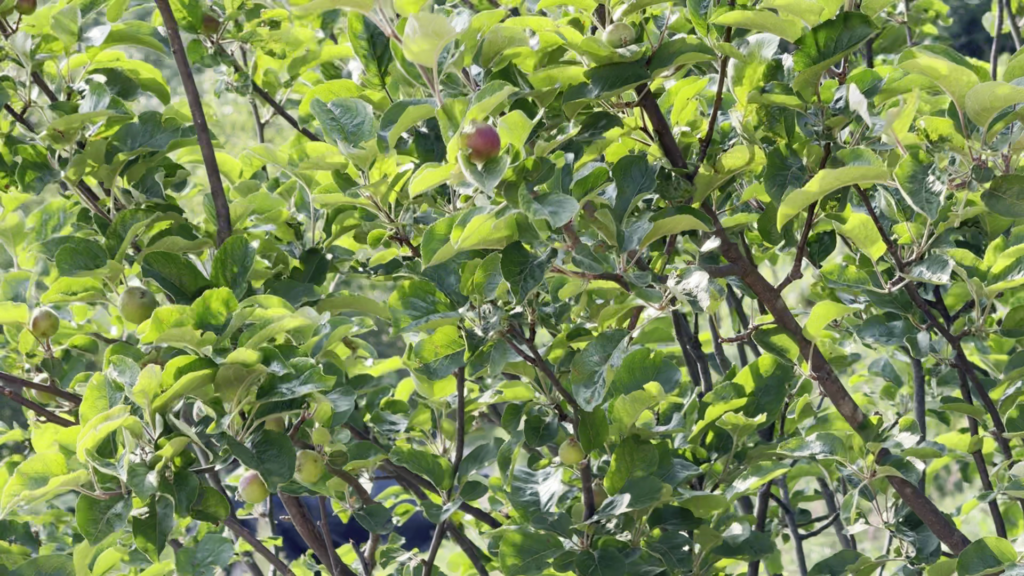
Breakfast was simple: steaming chai, parathas, and curd. The hosts made us eat before leaving, saying, “You need energy for the day ahead.”
7:30 AM: We headed straight to the Mukteshwar Temple, located around 5 km from our homestay. Perched at an elevation of 2,300 meters, this 350-year-old temple offered breathtaking panoramic views of the Himalayas. We also visited the famous Chauli Ki Jali, which these days is crowded with local chai stalls and drone operators offering aerial videos for ₹300. After spending some time there, we returned and began our drive towards Jageshwar.
8:30 AM: The Drive to Jageshwar
Mukteshwar to Jageshwar is 75 kilometers, but it took us 2.5 hours. The roads were narrower, the hairpin bends were sharper, and the views were getting more dramatic. Every turn revealed a new valley, a new peak, a new reason to pull over and just stare.
Dol Ashram (10:00 AM):
we stopped at Dol Ashram, a small meditation center run by a Swami who’d lived in the mountains for 40 years. The ashram was huge, a courtyard in a valley, a huge meditation complex, a gurukul and of course residents quarters.
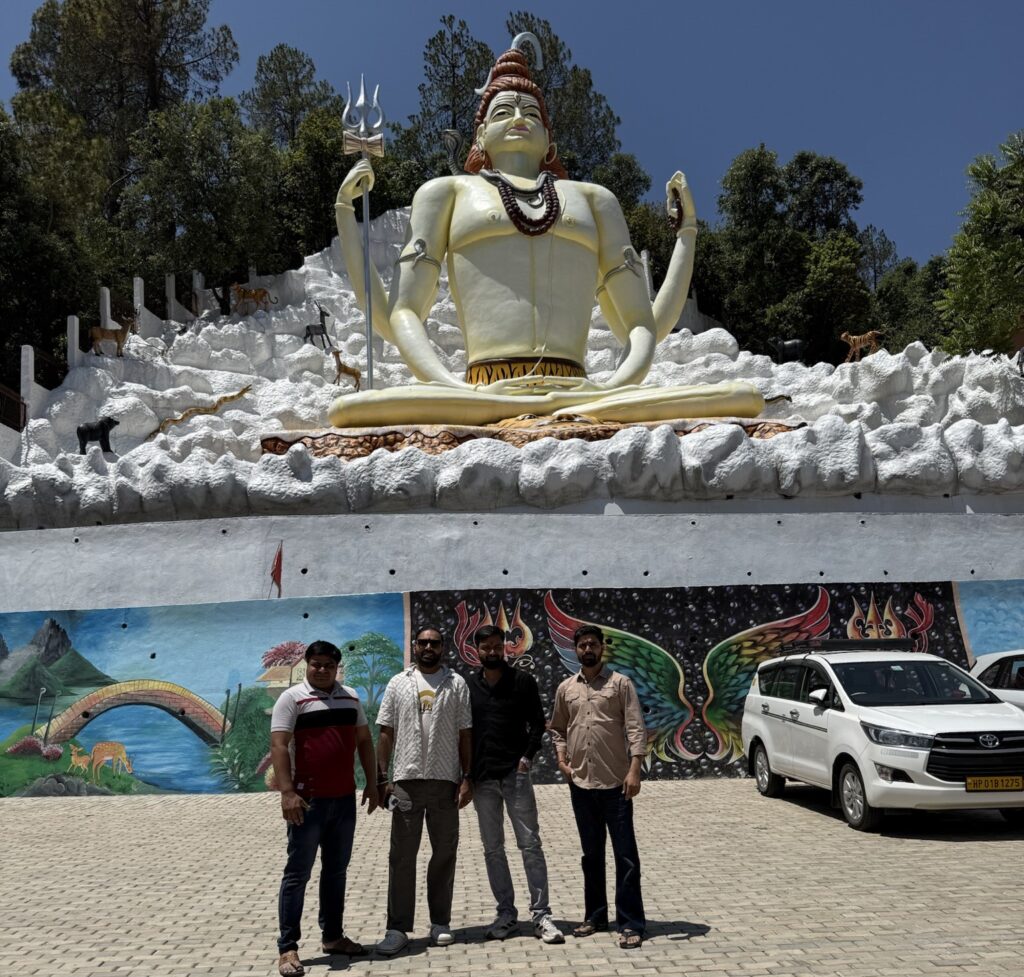
we sat there and discussed about the ashram about the priest.
His words that stuck with me:
“You come from the city, where noise is normal. Here, silence is the teacher. Listen to it.”
We stayed for an hour. Didn’t meditate (we’re not that disciplined), but the conversation was worth the stop.
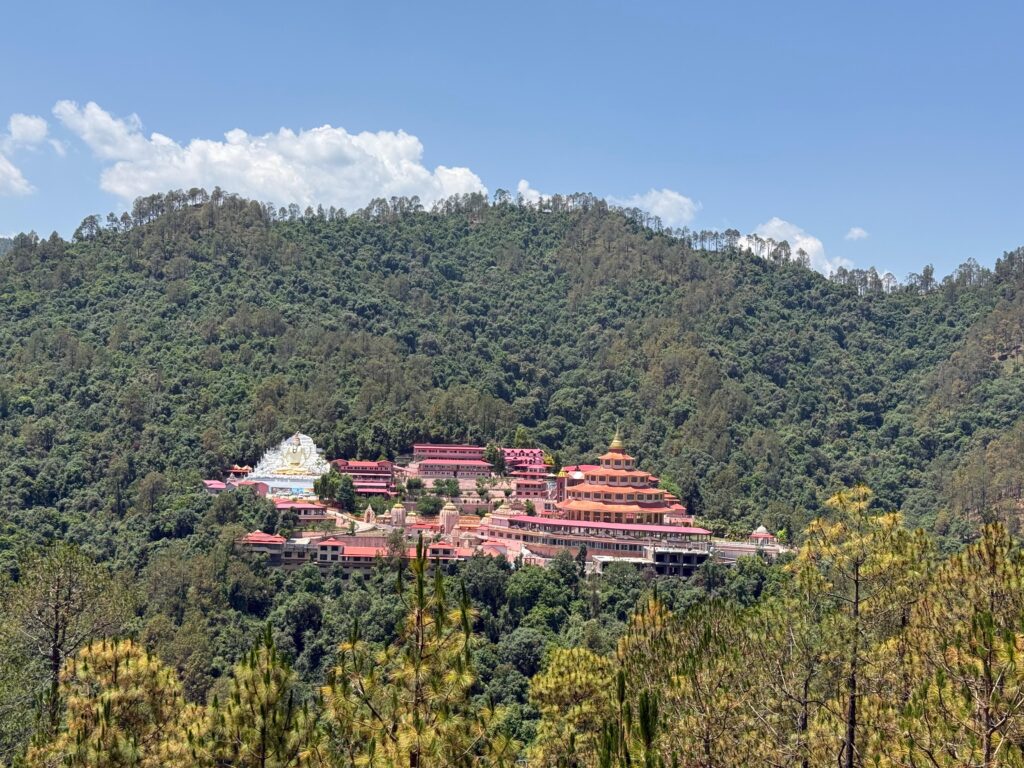
Jageshwar Temple Complex (12:30 PM):
Jageshwar is a cluster of 108 ancient Shiva temples nestled in deodar forests at 1,850 meters. The first thing that hit me was the silence. No traffic. No noise. Just the sound of wind through the trees and the occasional ringing of temple bells. thankfully it is a working day otherwise on weekends the story would be different.
The main temple, Jageshwar Nath Temple, dates back to the 9th century. The architecture is Nagara style, with intricate carvings that have survived centuries of weather. The air smelled of incense, deodar, and something ancient – like time itself had slowed down here.
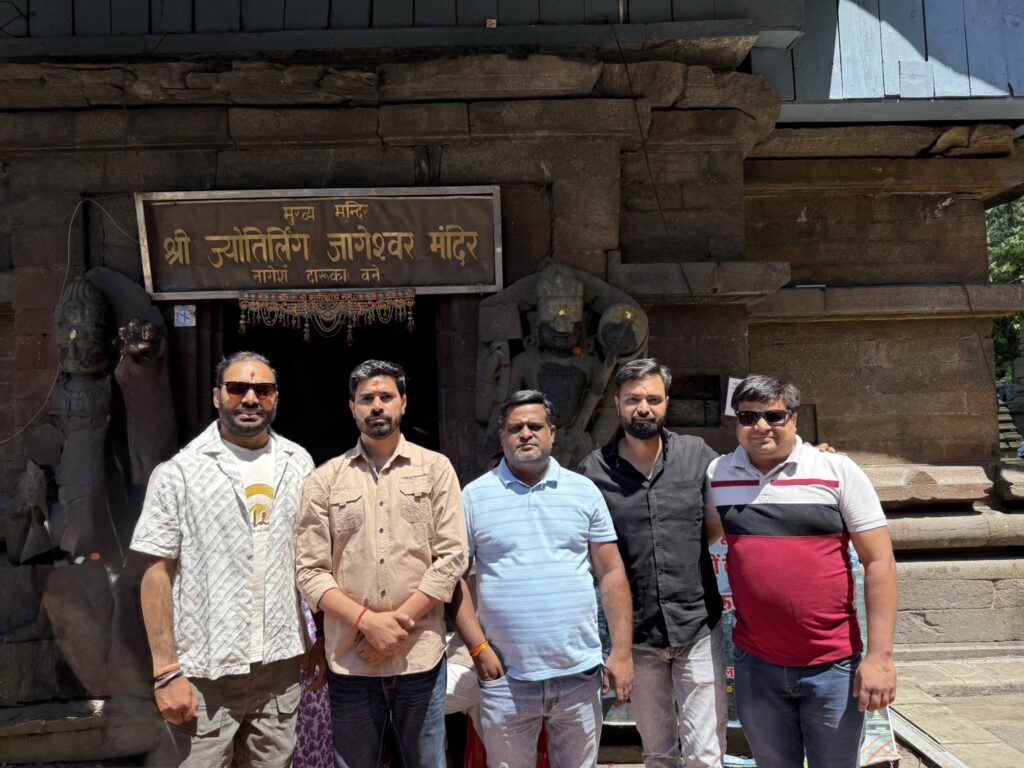
We spent an hour walking through the complex, touching the cold stone, reading the inscriptions, and feeling small in the presence of something older than our entire civilization.
Entry: Free. Donation: ₹50 per person (optional, but we felt obligated).
Vridh Jageshwar (02:00 PM):
Vridh Jageshwar (“Old Jageshwar”) is 9 kilometers from the main complex, higher up in the mountains. The drive was steep, the road was narrow, and my heart was racing. Not from fear-from the sheer beauty of it all.
The View:
When we reached Vridh Jageshwar, I lost my words.
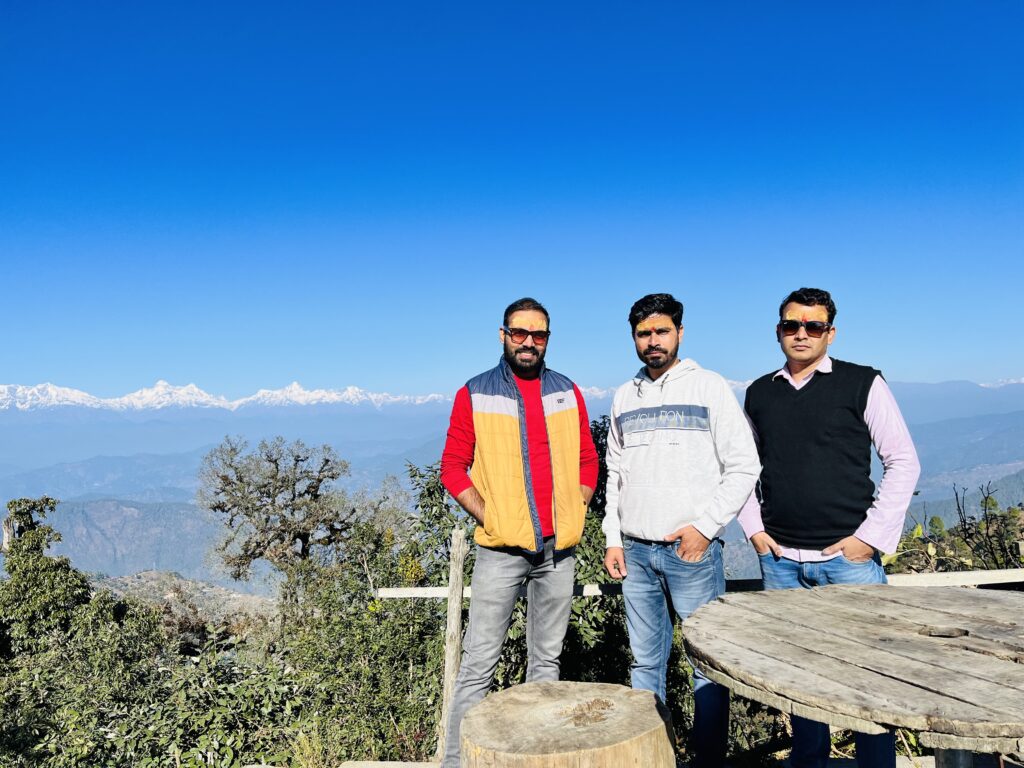
This is the old photo that I have because this time I feel lost in this place
The temple sits at 1,950 meters, surrounded by deodar forests, with the Himalayas stretching endlessly behind it. The view from the temple courtyard is what I call “spiritual therapy.” You can see for kilometers—valleys, peaks, clouds, everything. It’s the kind of place where you sit in silence for an hour and just breathe.
The temple itself is ancient, simple, and powerful. The Shiva lingam is black, and feels like it’s been here since the beginning of time. The priest, an elderly man with white hair and a kind smile, told us, “This place has been here for 3,000 years. You’re just a visitor. Breathe.”
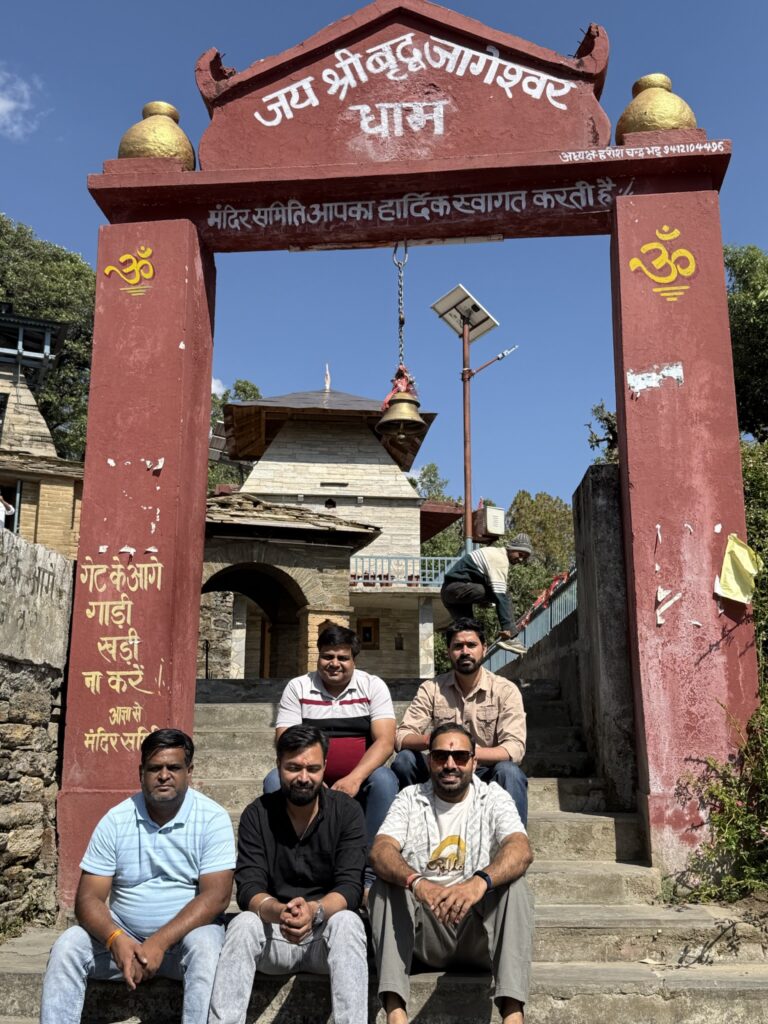
I sat there for 30 minutes. Didn’t take a single photo. Just sat. Felt. Breathed.
Entry: Free. Donation: ₹50 per person.
3:30 PM: Lunch at Jageshwar Dhaba
We stopped at a small dhaba which is literally situated middle of noware . Simple food, mountain views:
- Veg thali: ₹120 per person
- Dal, rice, roti, sabzi, curd, pickle
Total: ₹480 for four people.
The food was decent, but nothing compared to Aunty’s Kumaoni cooking. Still, with the mountains in the background and the sun warm on our faces, it felt like a feast.
5:30 PM: Kasar Devi – Sunset and a Leopard
Kasar Devi is 40 kilometers from Jageshwar, known for its ancient temple and “energy vortex” that attracts hippies, meditators, and spiritual seekers from around the world. The drive was scenic – winding roads, deodar forests, and views of Nanda Devi peak.
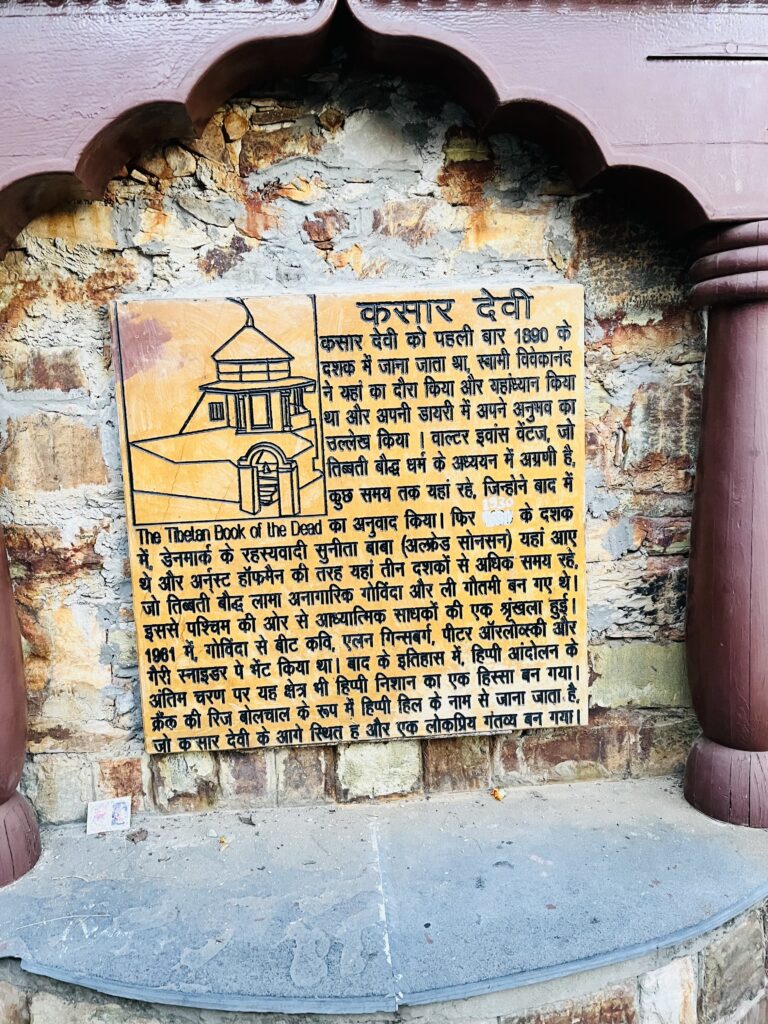
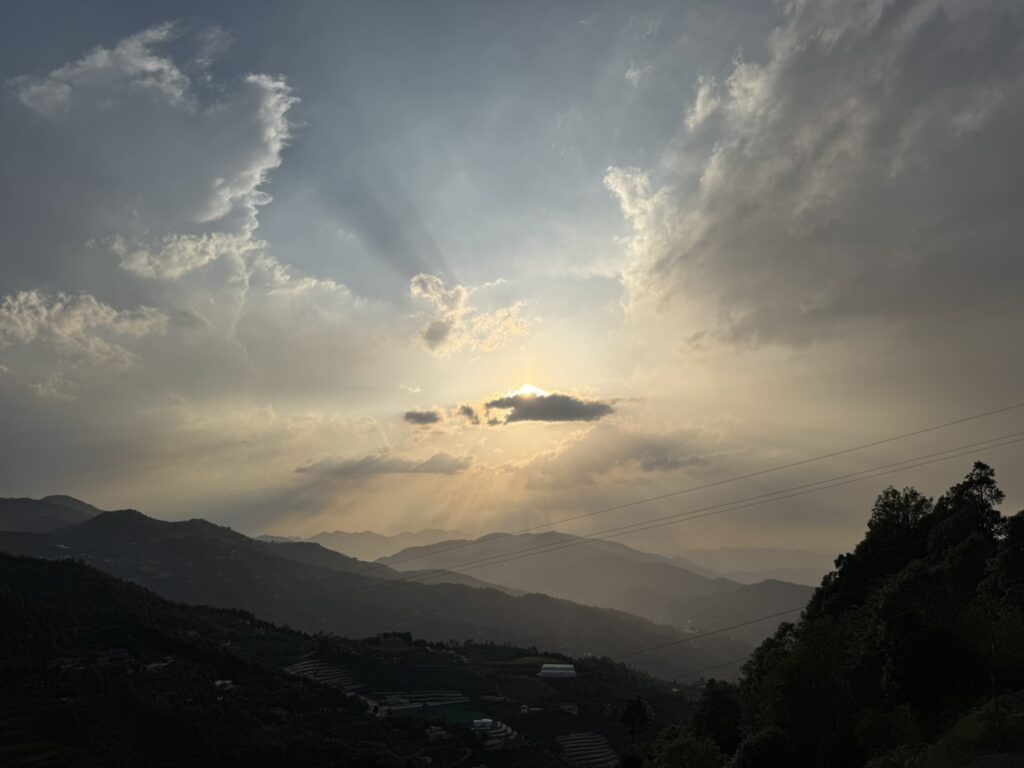
We reached Kasar Devi at 5:30 PM, just as the sun was starting to set. The Kasar Devi Temple sits on a hilltop, with panoramic views of the Himalayas. We climbed the steps, touched the cold stone, and watched the sunset paint the mountains orange, then pink, then purple.
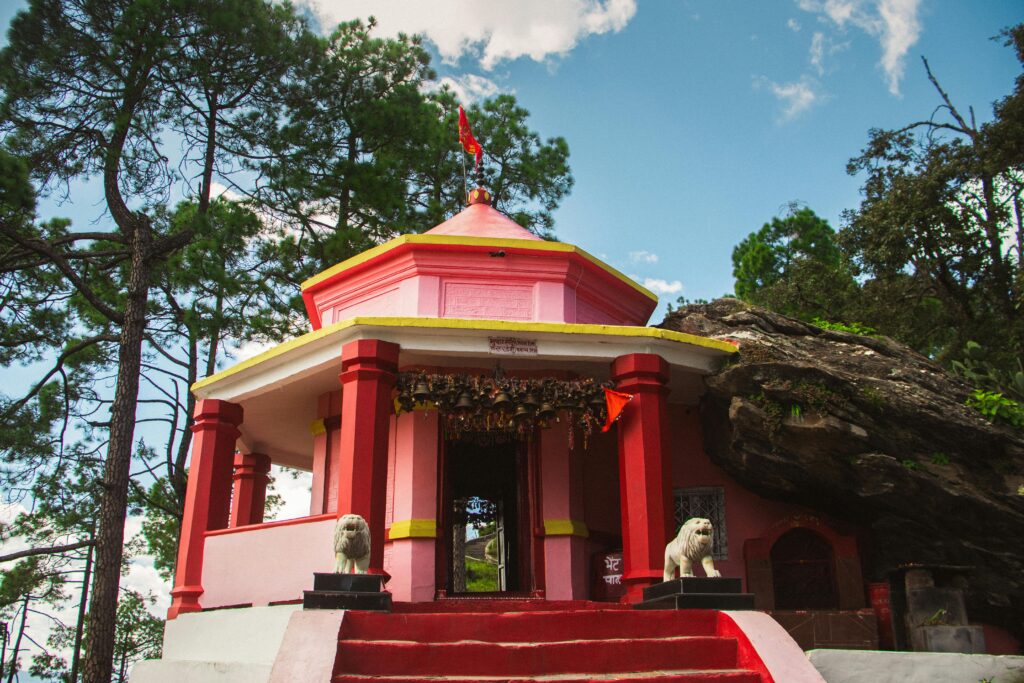
The Sunset:
I’ve seen sunsets in Keralam, in Rajasthan, in Delhi. But this sunset was different. The mountains created a frame, the clouds added depth, and the silence added a spiritual dimension. I felt like I was watching the world end (in a beautiful way).
We stayed for 45 minutes. Didn’t speak much. Just watched.
The Night at Kasar Devi:
We decided to stay at Kasar Devi instead of returning to Mukteshwar. We found a small homestay, “Bloom Home Stay,” run by a local family. ₹2,000 for two rooms (₹500 per person). Same setup: basic rooms, cold water, warm hosts.
Dinner: Another Kumaoni feast:
- Aloo ke Gutke
- Bhatt ki Churkani
- Madua ki Roti
- Gahat ki Dal
- Rice
Total: ₹800 for four people.
The Leopard Sighting (10:30 PM):
This is the part that still makes me laugh (and shiver) when I think about it.
We were sitting outside the homestay, drinking chai, looking at the stars, and talking about the day. The sky was clear, the mountains were silent, and everything felt peaceful.
Then one of my friends pointed to the edge of the forest, about 200 meters away, and said, “What’s that?”
We all looked.
There, standing at the edge of the tree line, was a leopard.
It was maybe a meter tall, spotted, and staring directly at us. Its eyes reflected the light from our lamp, and it looked absolutely majestic. And absolutely terrifying.
We froze. None of us moved. None of us spoke. We just stared at the leopard, and the leopard stared at us.
For 30 seconds, we were in a standoff. Me, my three friends, and a wild leopard in the middle of the Himalayas.
Then the leopard turned, walked into the forest, and disappeared.
We all exhaled at the same time.
Friend #1: “Did that just happen?”
Friend #2: “I think we just saw a leopard.”
Friend #3: “We’re never coming back here.”
Me: “We’re definitely coming back.”
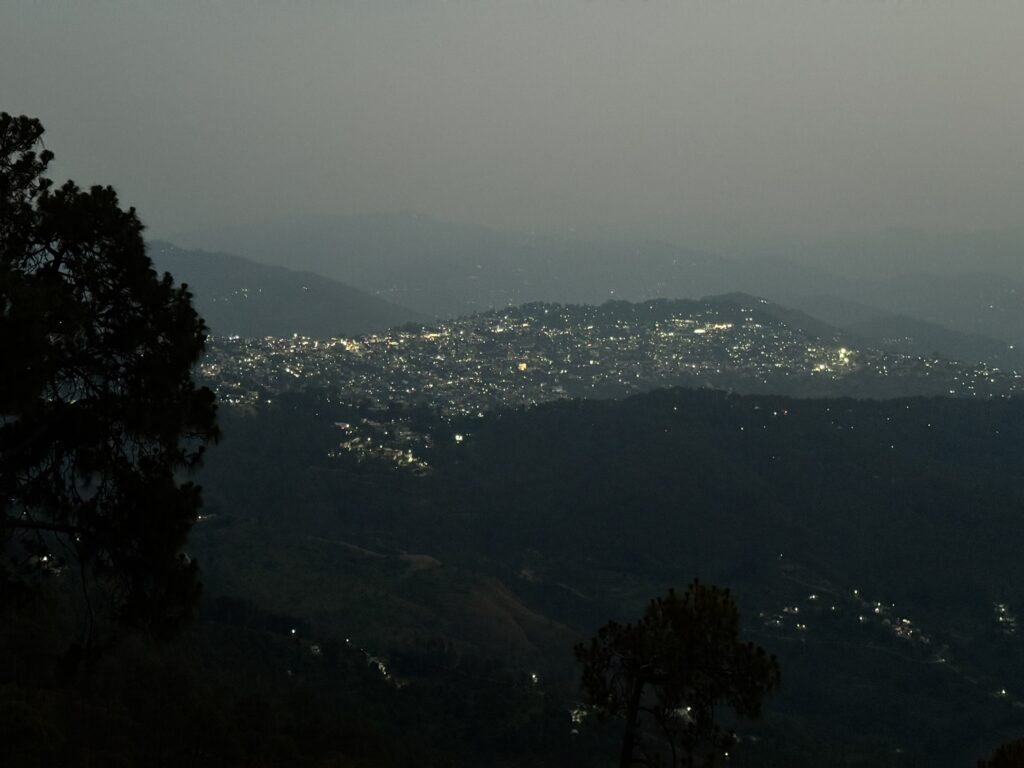
The Aftermath:
We went inside, locked the door, and sat in the living room for the rest of the night. The hosts were calm, saying, “Leopards are common here. They don’t attack unless you disturb them.”
Calm for them. Panic for us.
Day 2 Cost Breakdown:
- Fuel (Mukteshwar to Jageshwar to Kasar Devi, 120 km): ₹800 (₹200 per person)
- Tolls: ₹0
- Temple donations: ₹400 (₹100 per person)
- Lunch (Jageshwar dhaba): ₹480 (₹120 per person)
- Dinner (Kumaoni food): ₹800 (₹200 per person)
- Accommodation: ₹2000 (₹500 per person)
- Total per person: ₹1120
My Reality Check:
- Jageshwar temple complex is magic. Spend 1-2 hours there.
- Vridh Jageshwar has the best view in the entire region. Don’t skip it.
- Dol Ashram is worth the stop for the conversation and the peace.
- Kasar Devi sunset is life-changing. Go for it.
- Leopards are real. They’re beautiful, they’re wild, and they might see you. Don’t panic.
Day 3: Neem Karoli Baba Ashram, Hanuman Garhi, and Return to Delhi
7:00 AM: We woke up still shaking from the leopard encounter. The night had been restless-every rustle outside made us jump. But we were alive, and we had a long drive ahead.
Breakfast was the same: chai, parathas, curd. Simple, warm, and necessary.
8:00 AM: Kasar Devi to Neem Karoli Baba Ashram
Kasar Devi to Neem Karoli Baba Ashram is 50 kilometers, 1.5 hours. The ashram is near Nainital, in a place called Kainchi Dham.
The Ashram:
Neem Karoli Baba Ashram is one of the most famous spiritual sites in India. Founded by Neem Karoli Baba, a Hindu saint who died in 1973, the ashram attracts thousands of devotees every day. It’s also where Steve Jobs visited in 1976, which adds a weird layer of “cool” to the place.
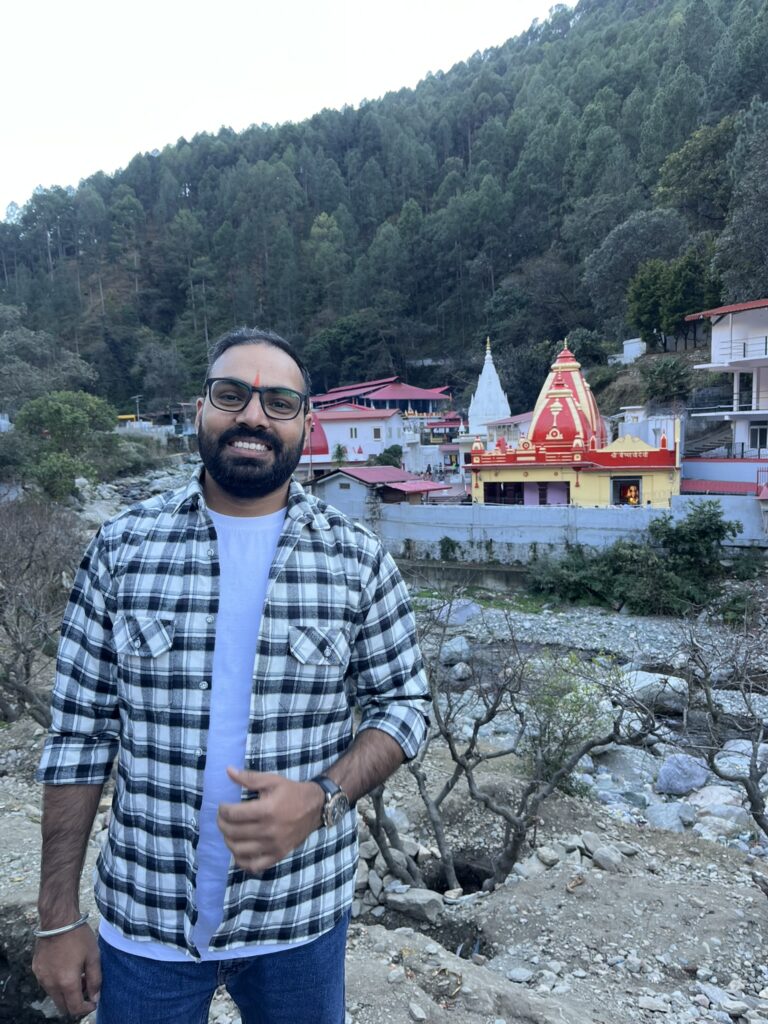
The ashram is simple: a temple, a courtyard, a few rooms for devotees, and a queue system that moves surprisingly fast. The main temple has a Hanuman statue, and the atmosphere is electric with devotion.
The Experience:
We entered the temple, and sat in the courtyard for 30 minutes. The air smelled of incense and flowers. The chants were rhythmic, the devotion was intense, and the energy was palpable.
One of my friends, who’s not religious at all, said, “I feel… calm. Like, actually calm.”
We stayed for an hour. Didn’t take photos (it’s not allowed). Just sat, breathed, and absorbed the energy.
Entry: Free. Donation: ₹100 per person (optional).
11:00 AM: Hanuman Garhi Temple
Hanuman Garhi is 20 kilometers from Neem Karoli Baba Ashram, in Nainital. The temple sits on a hilltop, with views of Bhimtal Observatory and the surrounding mountains.
The Climb:
We had to climb 20 steps to reach the temple. Stairs were cold, and steep. But the view from the top was worth it.
The temple is dedicated to Hanuman, and the main idol is massive, red, and powerful. The atmosphere here was more energetic than the ashram – chants, bells, devotees praying with intense devotion.
We spent 30 minutes at the temple, touched the idol, and made a quick prayer.
Entry: Free. Donation: ₹50 per person.
1:00 PM: Lunch Near Haldwani Bypass
We stopped at a restaurant on the by pass road. The food was decent, nothing special, but the heat start rising up.
- Veg thali: ₹150 per person
- Dal, rice, roti, sabzi, curd, pickle
Total: ₹600 for four people.
2:00 PM: The Long Drive Back to Delhi
Haldwani to Delhi is 310 kilometers, 7-8 hours. We left at 2:00 PM, hoping to reach by 9:00 PM.
The Reality:
The drive was brutal. We stopped three times for chai and bathroom breaks. The traffic around Rampur was terrible. By 6:00 PM, I was exhausted, my back was screaming, and I was dreading the last two hours.
We reached Delhi at 10:30 PM (planned 9:00 PM). We were tired, hungry, and emotionally drained (in a good way).
Day 3 Cost Breakdown:
- Fuel (Kasar Devi to Delhi, 390 km): ₹3,160 (₹790 per person)
- Tolls: ₹690 (₹170 per person)
- Temple donations: ₹400 (₹100 per person)
- Lunch: ₹600 (₹150 per person)
- Breakfast (homestay): ₹400 (₹100 per person)
- Total per person: ₹1,310
The Complete Budget Breakdown
| Expense Category | Total for 4 People | Per Person |
| Fuel (entire trip) | ₹7,040 | ₹1,760 |
| Tolls | ₹1380 | ₹345 |
| Puncture repair | ₹500 | ₹125 |
| Temple donations | ₹800 | ₹200 |
| Food (all meals) | ₹4,000 | ₹1000 |
| Accommodation (2 nights) | ₹5,200 | ₹1300 |
| TOTAL | ₹18,920 | ₹4,730 |
Per Day Per Person: ₹1,576
My Reality Check:
This was a budget trip. We stayed in local homestays, ate Kumaoni food, drove our own car, and didn’t spend on fancy activities.
If you upgrade to hotels, add 40-50%. If you rent a cab, add ₹15,000-20,000. If you eat at touristy restaurants, add 30%.
What I Learned: The Honest Truth About Mukteshwar
Unexpected Challenges
1. Puncture Without Spare Tyre
This was the biggest nightmare. We were stranded for 4 hours, in the middle of nowhere, with no phone signal. Carry a spare tyre. I learned this the hard way.
2. The Cold
None of us brought thermals. May in the mountains is COLD. We froze every night. Pack warm clothes: thermals, jackets, gloves, whatever you have.
3. Leopard Sighting
We saw a leopard at night from our homestay. It was beautiful and terrifying. Leopards are common in this region. They don’t attack unless disturbed. But still, it was scary.
4. Road Conditions
The roads are narrow, winding, and challenging. If you’re not a good driver, hire a local driver. If you’re prone to motion sickness, carry medication.
Best Time to Visit
March-May: Perfect weather. 15-25°C during the day, 10-15°C at night. Clear skies. Flowers blooming.
October-November: Also great. Post-monsoon clarity.
Avoid: July-September (monsoon = landslides, cancelled plans). December-January (too cold, snow).
What Makes Mukteshwar Special
- The views: Every turn reveals a new valley, a new peak, a new reason to stop and stare.
- The peace: No crowds, no noise, just mountains and silence.
- The food: Kumaoni food is unique, spicy, and delicious. Don’t skip it.
- The spirituality: Jageshwar, Vridh Jageshwar, Kasar Devi, Neem Karoli Baba Ashram—all of them have energy that you can feel.
- The wildlife: Leopards are real. They’re beautiful. Respect them.
The Moments That Stayed With Me
- The puncture at 1:45 PM: The moment I realized we’d underestimated everything about this trip. The panic, the walking, the waiting, the relief when Shyam uncle fixed it.
- Aunty’s Kumaoni food: The first time I tasted Bhatt ki Churkani, I cried. Not from sadness-from the sheer joy of eating something that tasted like home.
- Vridh Jageshwar view: Sitting in the temple courtyard, watching the Himalayas stretch endlessly, feeling small and significant at the same time.
- The leopard at 10:30 PM: Standing in the cold, staring at a wild leopard, not moving, not breathing, just existing in that moment.
- Neem Karoli Baba Ashram: Feeling calm for the first time in months. My friend, who’s not religious, saying “I feel actually calm.”
- The final drive: Exhausted, emotional, full of memories, driving back to Delhi knowing something had shifted in me.
Who Should Do This Trip?
✅ Friend groups wanting a short escape without extreme challenges
✅ First-time hill station visitors (Mukteshwar is accessible)
✅ Spiritual seekers (Jageshwar, Vridh Jageshwar, Kasar Devi, Neem Karoli Baba)
✅ Photographers (every corner is Instagram gold)
✅ People needing to disconnect from city chaos (I needed this so badly)
✅ Foodies (Kumaoni food is unique and delicious)
❌ Luxury travelers (Mukteshwar is rustic, not refined)
❌ People who hate driving (9-hour drives aren’t for everyone)
❌ Those afraid of wildlife (leopards are real here)
My Final Thoughts: Why Mukteshwar Changed Me
I returned to Delhi on Tuesday night. Wednesday morning, I was back at my desk. But something had shifted in me.
I’d proven to myself that adventure doesn’t require months of planning or a massive budget. It requires willingness-to drive long hours, to face a puncture without a spare tyre, to freeze without thermals, to stare at a leopard and not panic.
For me, Mukteshwar isn’t just about temples or views or food. It’s about rediscovering that the world is bigger, more beautiful, and more wild than my daily routine let me believe.
I’m already planning the next trip. Maybe Gangotri. Maybe Kedarnath. Maybe I’ll just return to Mukteshwar and spend a week in homestays, eating Kumaoni food, and pretending I’ve figured out how to live slowly.
Until then, I have my photos, my memories, my frozen nights, my puncture story, and the leopard sighting that makes me smile every time I think about it.
If my story inspired you, share it with your friends. And when you finally visit Mukteshwar, I’d love to hear about your journey. Did you see a leopard? Did the Kumaoni food blow your mind? Did you feel the cold.
My Practical FAQ for Planning Your Trip
Q: Can I do this trip in 2 days instead of 3?
A: Yes, but it’ll be rushed. I’d skip Kasar Devi and return directly from Jageshwar.
Q: Is March too cold?
A: Days are pleasant (10-20°C), but nights are cold (5-10°C). I’d pack thermals. I didn’t, and I froze.
Q: Do I need a spare tyre?
A: Yes. I learned this the hard way. Carry a spare tyre.
Q: Is Mukteshwar safe for solo travelers?
A: Absolutely. Mukteshwar is very safe. I saw solo travelers during my trip.
Q: What about phone network?
A: Jio and Airtel work well in Mukteshwar. Signal is unreliable in Jageshwar and Vridh Jageshwar. Download offline maps.
Q: Can I skip Vridh Jageshwar?
A: No. Vridh Jageshwar has the best view in the entire region. Don’t skip it.
Q: What’s the best homestay booking strategy?
A: I used Booking.com and Airbnb. Or just walk in.
Q: Should I carry my own car or rent?
A: My own car was cheaper. Rental costs ₹3,000-4,500/day.
Q: Are there ATMs in Mukteshwar?
A: Yes, but limited. UPI accepted everywhere but Carry cash from Delhi as network is chopy.
Q: Can I skip Neem Karoli Baba Ashram?
A: Yes. If you’re not spiritual, skip it. But the energy is worth experiencing.
If this blog inspired you, save it, share it, and when you finally drive to Mukteshwar, remember: carry a spare tyre, pack thermals, and respect the leopards.