
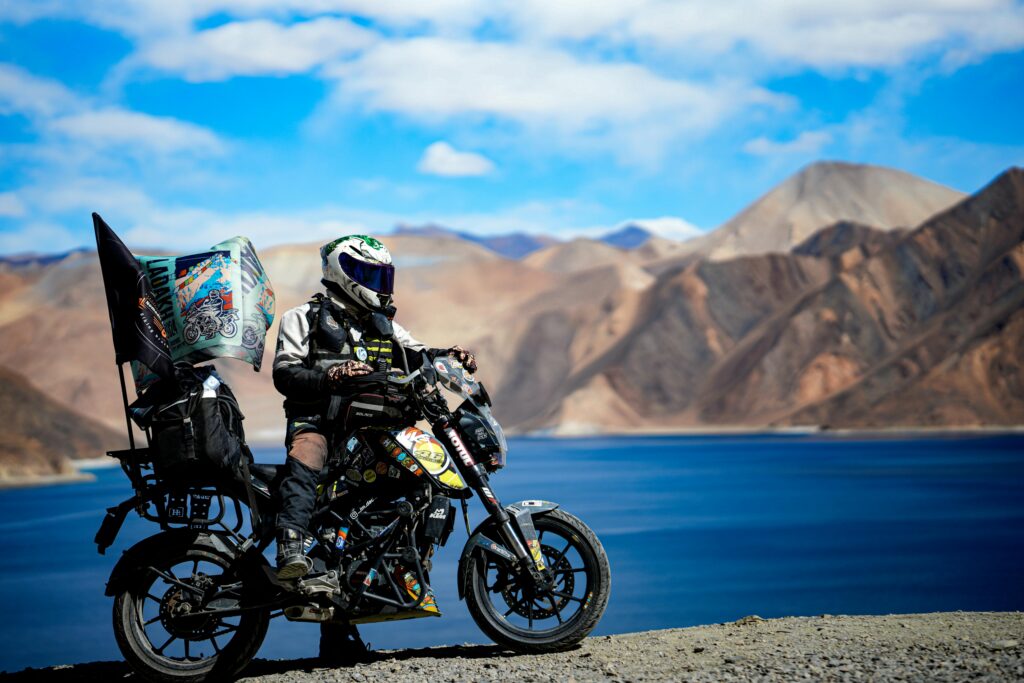
The roads to Ladakh have become legendary in Indian biking culture. Countless riders speak of it in hushed, reverent tones—the thin air, the impossible passes, the landscapes that redefine what beauty means. But beneath the romance lies a reality that most first-time riders don’t fully grasp: Ladakh is expensive, unpredictable, and demands serious preparation. This is the complete cost breakdown for a 15-day Delhi-Ladakh-Delhi bike trip in 2026, including the blockers that will test you, the surprises that will shock you, and the hard-won recommendations from riders who’ve done it.
The 15-Day Route: An Overview of What Awaits
Before we dive into costs, let’s map the journey. A 15-day Delhi-Ladakh-Delhi circuit isn’t a simple A-to-B ride. It’s a progressive altitude challenge that takes you from sea level (Delhi at 216 feet) to the world’s highest motorable pass (Umling La at 19,024 feet). The route covers approximately 2,240-2,440 kilometers of riding, with 8-9 high mountain passes, multiple permits, fuel management nightmares, and altitude that demands respect.
The Itinerary:
*Days 1-2: Delhi to Manali (540 km, overnight drive)
*Days 2-3: Manali to Sarchu (230 km, via Manali-Leh Highway)
*Days 3-4: Sarchu to Leh (230 km, crossing Nakee La and Tanglang La)
*Day 5: Leh acclimatization and rest
*Days 5-6: Leh to Nubra Valley (160 km, via Khardung La at 18,380 ft)
*Days 6-7: Nubra exploration and optional Turtuk village
*Days 7-8: Nubra to Pangong Lake (160 km via Shyok Road, no fuel stations)
*Days 8-9: Pangong exploration and photography
*Days 9-10: Pangong to Tso Moriri (220 km via Chushul route, challenging terrain)
*Days 10-11: Tso Moriri and optional Umling La expedition (19,024 ft)
*Days 11-13:*Return to Leh via high passes
*Days 13-14:Leh to Sarchu, Sarchu to Manali
*Day 15: Manali to Delhi (540 km, overnight)
This isn’t a vacation where you leisurely explore each place. This is 15 days of intense riding, acclimatization stress, and a battle against altitude that resets your understanding of physical limits.
The Cost Breakdown: Every Rupee Accounted For
Let’s be completely honest about what this trip costs. I’m going to break it down into three categories: Budget travel (you’re surviving, not thriving), Standard travel (comfortable but not luxurious), and Premium travel (you’re treating yourself because you’ve earned it).
1. Bike Rental: Your Most Significant Expense
The bike is your lifeline. Choose wrong, and you’ll regret it daily. Choose right, and it becomes an extension of yourself on the road.
Rental Rates in 2026 (per day):
– Royal Enfield 350cc: ₹1,500-1,900
– Royal Enfield Himalayan 411: ₹1,800-2,300
– KTM 390 Adventure: ₹2,000-2,500
Which bike for Ladakh? The Himalayan 411 is the sweet spot—powerful enough for high altitude riding, good fuel efficiency (25-35 km/l), reliable, and ubiquitous in Leh. The 350cc is cheaper but struggles on long climbs. The KTM is premium and fun but less forgiving.
15-day rental cost:
– Budget (350cc): ₹22,500
– Standard (Himalayan 411): ₹30,000
– Premium (KTM 390): ₹34,500
Security deposit: ₹5,000-10,000 (refundable, usually held on credit card)
Insider secret: Rent from Leh, not Delhi or Manali. Leh rentals are 30-40% cheaper because they don’t need to factor transportation costs. You’ll save ₹5,000-8,000.
Real rider experience: I met a rider in Nubra who’d rented from Delhi and paid ₹38,000 for 15 days. The same bike rented from Leh would have cost ₹28,000. That’s ₹10,000 you could have spent on better accommodation or healing your Ladakh wounds.
2. Fuel: The Logistics Nightmare You’ll Curse
Fuel in Ladakh isn’t just about price. It’s about availability, quality, and the gut-wrenching realization that fuel stations are separated by 150+ kilometer stretches with nothing in between.
Fuel Price Reality 2026(This might change drastically due to ongoing middle east war):
– Petrol in Leh, Diskit, Karu: ₹110-125 per liter
– Black market fuel at remote locations: ₹150-200 per liter (25-50% premium)
– Your bike’s mileage in Ladakh: 25-35 km/l (vs 40-50 km/l on plains)
– Reason for reduced mileage: Thin air + low gear riding = fuel inefficiency
The Fuel Mathematics:
For a 15-day trip with approximately 2,240-2,440 km of riding, you need about 90-100 liters of fuel.
At official prices (₹110-125/liter): ₹10,350-12,500
At mixed rates (some official, some black): ₹11,000-14,000
But here’s where it gets real. The Manali-Leh Highway has a 365-kilometer stretch with NO fuel pumps between Karu and Tandi. You must carry spare fuel. If you’re riding this route (vs flying to Leh), you’re looking at jerry cans, makeshift storage, and the constant anxiety of running dry.
Fuel Station Locations:
– Leh: Abundant pumps
– Karu: ₹110/liter (last pump on Manali side for 365 km)
– Sarchu: Black market fuel, ₹150/liter
– Pang: Black market fuel, ₹160-180/liter
– Diskit (Nubra): Only official pump in Nubra Valley, ₹115/liter
– Tangtse (near Pangong): New pump, ₹120/liter
– Chusul: Black market only, ₹150-180/liter
– Nyoma, Loma, Hanle, Korzok: Black market, varying prices
The Surprise: Expect to spend ₹200-500 extra on black market fuel because you miscalculated distance or hit unexpected detours. Budget ₹14,000, not ₹11,000.
Jerry Can Reality: Carrying spare fuel in jerry cans is legal but stressful. You’re riding with 10+ liters of flammable liquid, praying no accidents happen. Rental agencies provide jerry cans, but ensure they’re food-grade, leak-proof containers.
Fuel Strategy for Smart Riders:
1. Fly to Leh (or drive via Srinagar), skip the Manali-Leh Highway entirely
2. Fuel in Leh completely
3. Fuel in Diskit before Nubra trips
4. Fuel in Karu before Pangong trips
5. Carry 5 liters spare in jerry can for “just in case”
6. Never let tank drop below 1/4 full
3. Accommodation: Budget Reality vs. Reality Check
You’re going to be exhausted after 8-10 hours of riding at altitude. The accommodation you choose will determine if you wake up ready to continue or ready to book a flight home.
Accommodation Options & Prices 2026:
| Budget Homestay | ₹800-1,200 | Basic, shared bathroom | Ultra-budget travelers |
| Standard Guesthouse | ₹1,200-1,800 | Decent, private room | Most travelers |
| Comfortable Hotel | ₹1,800-2,500 | Good amenities, private bath | Comfort seekers |
| Swiss Camps | ₹2,500-3,500 | Luxury camping experience | Premium travelers |
| Deluxe Hotels | ₹3,000-5,000 | Full luxury | Very premium |
13 nights in Ladakh (Leh 3 nights, Nubra 1, Pangong 1, Tso Moriri 2, Sarchu 1, scattered 5 nights):
– Budget: ₹10,400-15,600
– Standard: ₹15,600-23,400
– Comfort: ₹23,400-32,500
Transport to/from Manali:
– Volvo bus (both ways): ₹1,200-1,800 each direction = ₹2,400-3,600
– Self-drive own car: ₹3,000-4,000 (petrol cost both ways)
– Flight Manali to Leh: ₹5,000-8,000 (one-way), makes return easier
Total Accommodation + Transport:
– Budget: ₹13,000-19,000
– Standard: ₹18,000-27,000
– Comfort: ₹26,000-37,000
Insider Tips:
1. Homestays in Nubra/Pangong are ₹300-500 cheaper than hotels but more local
2. Book 3-4 months in advance for 10-15% discounts
3. Peak season (May-August) has 20-30% price premiums
4. Off-season (March-April, Sept-Oct) has 30-40% discounts but higher altitude sickness risk
5. Swiss camps sound luxurious but are basically fancy tents—judge if worth it
6. Many homestays include breakfast and dinner—clarify before booking
Real experience: I stayed in a budget homestay in Pangong run by a Ladakhi family. Breakfast was butter tea, bread, and eggs. Dinner was thukpa. Stayed there 2 nights for ₹1,600 total. The memories from conversations with the family were worth more than any hotel.
4. Food & Meals: You’ll Eat More Than Expected
At altitude, your body burns calories frantically. You’ll eat more than you ever have in your life, and food becomes a source of joy and comfort.
Daily Meal Costs:
– Budget breakfast (Maggi, bread, chai): ₹150-200
– Budget lunch (thukpa, momos): ₹150-250
– Budget dinner (simple curry, bread): ₹150-300
– Snacks/drinks: ₹100-150
— Daily total (budget): ₹550-900
Standard traveler:
– Breakfast: ₹200-300
– Lunch: ₹250-400
– Dinner: ₹300-500
– Snacks: ₹150-200
–Daily total: ₹900-1,400
Premium traveler:
– Meals at restaurants: ₹400-600 each
– Snacks/drinks: ₹300-500
–Daily total: ₹1,500-2,000
15-day food budget:
– Budget: ₹8,250-13,500
– Standard: ₹13,500-21,000
– Premium: ₹22,500-30,000
Must-Try Local Foods (Budget Options):
– Thukpa (Tibetan noodle soup): ₹150-250, deeply warming
– Momos (dumplings): ₹100-200 per plate of 6-8
– Tsampa (roasted barley flour): ₹100-200 with butter tea
– Bread and butter with local honey: ₹80-150
– Butter tea: ₹30-50, acquired taste but cultural experience
– Skyu (hand-rolled noodles): ₹150-250
Restaurants vs. Dhabas:
– Restaurant meal (Leh): ₹300-600
– Dhaba meal: ₹150-300
– Homestay meals (included): ₹0, best value
The Reality Check: Food at altitude tastes different. Your appetite is weird. You’ll crave greasy food one day and can’t look at it the next. Budget flexibility for this.
5. Permits & Entry Fees: The Bureaucratic Cost
You can’t visit most of Ladakh’s highlights without permits and entry fees. These are non-negotiable costs.
Inner Line Permit (ILP):
– Environmental fee + Red Cross contribution: ₹800-1,200
– Duration: Valid for your entire trip
– Where to get: Leh administration office, processed in 24 hours
– Who needs it: Every tourist for Nubra, Pangong, Tso Moriri
Entry Fees by Location:
– Pangong Lake: ₹50-100 per person
– Tso Moriri: ₹600-800 per person (additional to ILP)
– Nubra Valley: Included in ILP
– Monasteries (Diskit, Thiksey, Hemis, Key): ₹100 each
Toll Checkpoints:
Multiple checkpoints on highways charge ₹50-100 each. You’ll encounter approximately 15+ checkpoints, totaling ₹750-1,500.
Total Permits & Fees: ₹1,000-1,500
Pro Tip: Get ILP on the day you arrive in Leh. Takes 2-3 hours and ₹1,000. This saves you from last-minute scrambling.
6. Bike Maintenance & Emergency Repairs: The Reality of Rough Roads
Ladakh’s roads are unforgiving. Rocks, dust, altitude, and temperature swings take a toll on bikes.
Common Issues & Costs:
– Tire puncture/repair: ₹100-200
– Inner tube replacement: ₹200-400
– Chain lubrication/cleaning: ₹100-150
– Chain replacement: ₹500-1,000
– Oil change: ₹300-500
– Brake pad issues: ₹400-600
– Suspension/shock damage: ₹1,000-3,000
Budget for Maintenance:₹1,500-2,500
Prevent Costs:
1. Pre-trip full servicing: ₹2,000-3,000 (worth every rupee)
2. Carry spare tube, puncture kit, basic tools
3. Regular chain lubrication every 2 days
4. Inspect brakes before high-altitude passes
Mechanic Availability:Leh has mechanics, but they’re busy during peak season. Smaller towns have limited options. Delays can happen.
7. Safety Gear & Equipment
Helmets are mandatory. Riding jackets save your life and skin. Gloves protect hands from wind and cold.
If You Bring Your Own: Cost = ₹0
If You Rent in Leh:
– Helmet: ₹150-300/day (often included with bike)
– Riding jacket: ₹400-600/day
– Gloves: ₹100-200/day
– Knee/elbow guards: ₹300-500/day
15-day gear rental (if needed): ₹3,000-7,500
Realistic gear needs:
– Bring your own helmet (airline checked baggage)
– Buy a cheap riding jacket in Leh (₹1,500-3,000) and leave it as souvenir
– Bring own gloves
– Knee guards optional (rarely needed)
Oxygen Consideration:
– Renting oxygen cylinder: ₹500-1,000/day
– Carrying oxygen: More psychological safety than practical
– Reality: If acclimatized properly, oxygen is unnecessary
8. Flights: The Hidden Option That Saves Money
Delhi to Leh flights are affordable in 2026, often cheaper than the drive.
Delhi-Leh Round-trip Flights (2026 estimates):
– Budget airlines (IndiGo, SpiceJet): ₹5,000-10,000
– Peak season (May-August): ₹8,000-15,000
– Off-season: ₹4,000-8,000
Comparison:
– Driving Delhi-Manali: ₹3,000-4,000 fuel + overnight accommodation ₹1,500-2,000 = ₹4,500-6,000
– Bus ticket Delhi-Manali: ₹800-1,500
– Plus: 2 days of time lost in transit
Flight advantage:
– 3 hours to Leh, arrive acclimatized by afternoon
– Save 2 days of driving
– Avoid Manali-Leh Highway fuel concerns
– Reduces overall trip stress
Flight consideration: Book advance for ₹5,000-8,000. Last-minute flights are ₹12,000-18,000.
9. Miscellaneous & Hidden Costs
These small expenses add up to surprising totals.
| Expenses
| Phone/Data (local SIM) | ₹300-500 |
| Laundry (hotel service) | ₹50-150 per item |
| Toiletries/supplies | ₹200-400 |
| Snacks at fuel stops | ₹300-500 |
| Bottled water | ₹1,000-2,000 (buy reusable bottle instead) |
| Photography (memory cards, batteries) | ₹500-1,000 |
| Tips/guides | ₹500-1,500 |
| Souvenirs | ₹1,000-5,000 (easily exceeded) |
| Emergency contingency | ₹2,000-5,000 |
Total Miscellaneous: ₹2,000-4,000 minimum, ₹5,000-10,000 realistic
The Complete Cost: Adding It All Up
Let’s be realistic about what this trip actually costs.
Budget Traveler (Surviving Mode)
| Item & Cost
| Bike Rental (350cc, 15 days) | ₹22,500 |
| Fuel | ₹11,000 |
| Accommodation (budget homes) | ₹13,000 |
| Food (dhabas, budget meals) | ₹10,500 |
| Transport to Manali (Volvo) | ₹2,400 |
| Permits/Fees | ₹1,000 |
| Maintenance/Emergency | ₹2,000 |
| Miscellaneous | ₹2,000 |
SUBTOTAL – ₹64,400
| Flight option (skip driving) | +₹8,000-12,000 |
TOTAL (Ground based) – ₹64,400
TOTAL (With flight) – ₹72,400-76,400
Per person per day: ₹4,293-5,093
Standard Traveler (Comfortable Mode)
| Item & Cost
| Bike Rental (Himalayan 411) | ₹30,000 |
| Fuel | ₹12,000 |
| Accommodation (decent hotels) | ₹24,000 |
| Food (mix of dhabas/restaurants) | ₹15,000 |
| Transport (premium) | ₹4,000 |
| Permits/Fees | ₹1,200 |
| Maintenance/Emergency | ₹2,500 |
| Safety gear | ₹3,000 |
| Miscellaneous | ₹3,000 |
SUBTOTAL – ₹94,700
| Flight option | +₹8,000-10,000 |
TOTAL (Ground based) – ₹94,700
TOTAL (With flight) – ₹102,700-104,700
Per person per day: ₹6,313-6,980
Premium Traveler (Treating Yourself Mode)
| Item & Cost
| Bike Rental (KTM 390, premium) | ₹34,500 |
| Fuel | ₹13,000 |
| Accommodation (comfort + camps) | ₹35,000 |
| Food (restaurants, good meals) | ₹18,000 |
| Transport (premium) | ₹6,000 |
| Permits/Fees | ₹1,500 |
| Maintenance/Emergency | ₹3,000 |
| Safety gear (premium) | ₹5,000 |
| Local guide services | ₹7,000 |
| Miscellaneous | ₹5,000 |
SUBTOTAL – ₹128,000
| Flight option | +₹10,000-15,000 |
TOTAL (Ground based) – ₹128,000
TOTAL (With flight) – ₹138,000-143,000
Per person per day: ₹8,533-9,533
The Blockers: What Will Actually Stop You
Knowing the cost is one thing. Understanding the obstacles that can derail your trip is another.
Blocker – 1: Altitude Sickness (AMS)
This is real. This is serious. And 75% of people above 3,000 meters experience it.
Leh’s altitude: 11,562 feet (3,500 meters)
Khardung La: 18,380 feet (5,605 meters)
Umling La: 19,024 feet (5,798 meters)
Symptoms you’ll experience:
– Headache (almost guaranteed first night)
– Nausea, dizziness
– Loss of appetite
– Fatigue disproportionate to activity level
– Shortness of breath from minimal exertion
– Disturbed sleep (waking up gasping for air)
Who’s at risk:
– First-time high-altitude visitors: Very high risk
– People with heart/lung conditions: Extremely high risk
– People who fly directly to Leh: Higher risk than gradual ascent
Prevention:
1. Acclimatize 2-3 days in Leh before riding high passes. Not optional. Non-negotiable.
2. Hydrate constantly. 4-5 liters of water daily.
3. Avoid alcohol for first 2-3 days. Increases AMS risk.
4. Light meals initially. Heavy food worsens nausea.
5. Diamox (Acetazolamide). Get prescription from doctor. Takes preventively, proven to reduce AMS symptoms by 50%.
6. Sleep at lower altitude when possible. Don’t ride high passes then sleep at altitude.
Cost impact:
– Oxygen cylinder rental (unnecessary if acclimatized): ₹500-1,000/day
– Extra rest day forced by illness: ₹1,500-3,000 in wasted accommodation
– Flight evacuation (worst case): ₹8,000-15,000
– Trip cancellation (rare but happens): Total loss
Real story: A friend flew to Leh, rode to Khardung La the next morning, got severe AMS, and had to fly back to Delhi that evening. Total trip cost: ₹20,000+ for flights, lost accommodation deposits, wasted planning. He never reattempted. Don’t be him.
Blocker – 2: Fuel Logistics Nightmare
You’ll think about fuel constantly. It will dominate your mental energy.
The Core Problem:
– Manali-Leh Highway: 365 km between fuel pumps (Karu to Tandi)
– Shyok Road (Nubra to Pangong): 160 km with zero fuel pumps
– Remote routes: Black market fuel at 50% premium
Fuel Station Gaps:
– After Karu: Next official pump is Tandi (365 km away)
– No fuel stations exist at: Sarchu, Pang, Erath, Shyok
– Black market quality: Often mixed with kerosene, damages engines
– Your bike’s range: 25-35 km/l, meaning tank capacity 12-15 liters covers only 300-525 km
– The math: You CANNOT make Karu to Tandi without carrying spare fuel
Cost impact:
– Black market fuel 25-50% premium: ₹1,500-3,000 extra
– Fuel-related breakdown: ₹5,000-15,000 repair
– Alternate route/diversion: ₹2,000-5,000
– Lost time waiting for mechanic: ₹1,000-2,000 in wasted costs
Solution:
1. Rent from Leh. Fly to Leh, rent bike there, avoid Manali-Leh Highway entirely.
2. Jerry cans are mandatory. Carry 5-10 liters spare in approved containers.
3. Plan routes around fuel. Never skip a fuel stop if one’s available.
4. Join group rides. Share fuel costs and knowledge.
Real story: A solo rider ran out of fuel between Sarchu and Pang at 2 PM with 20 km to next fuel. Sat in blazing sun for 3 hours waiting for a passing vehicle. Fuel from a truck driver cost him ₹400 per liter (black market premium). This is the stress you avoid with planning.
Blocker – 3: Mechanical Breakdowns in Remote Areas
Ladakh’s roads are rough. Your bike will suffer.
Common failures:
– Puncture: Takes 1-2 hours to repair at roadside
– Chain issues: Can strand you if severe
– Brake problems: Terrifying on descents
– Engine sputtering: Altitude + poor fuel + bike stress
– Radiator overheating: High altitude climbing
Cost impact:
– Roadside repair: ₹2,000-5,000
– Towing to mechanic: ₹3,000-8,000 (if available)
– Parts replacement: ₹1,000-5,000
– Mechanic wait time: 1-3 days, extra accommodation, lost itinerary
Prevention:
1. Pre-trip full servicing: ₹2,000-3,000 (essential)
2. Carry spare tube, puncture kit, basic tools
3. Check tire pressure daily (crucial in high altitude)
4. Inspect brakes before big descents
5. Travel in groups, so someone can help
Real story: A rider’s chain broke near Pangong. Nearest mechanic was 80 km away in Chusul. Rode there slowly in first gear, cost ₹6,000 for repair, lost 1.5 days. Could have been prevented with ₹500 chain maintenance.
Blocker – 4: Weather & Road Conditions
Ladakh’s weather changes in minutes. Roads can close unexpectedly.
What can happen:
– Landslides (June-August monsoon): Closes roads for hours or days
– Snow (September onward on high passes): Can make roads impassable
– Wind (extreme at passes): Can physically blow you off bike
– Temperature swings: -5°C at night, 15°C at noon
– Rain/hail: Sudden in afternoon
Cost impact:
– Delayed itinerary: Extra ₹1,500-3,000 in extended accommodation
– Hypothermia/medical emergency: ₹5,000-20,000+
– Bike damage in rain/hail: ₹3,000-10,000
– Forced rerouting: ₹2,000-5,000
Prevention:
1. Travel May-September only (roads open, weather manageable)
2. Check weather daily via online sources
3. Depart early morning before afternoon storms
4. Carry rain gear and thermal wear
5. Avoid riding after 4 PM as weather deteriorates
Blocke – 5: Permit Delays
You cannot legally visit Nubra, Pangong, or Tso Moriri without Inner Line Permit.
What can go wrong:
– Permit issued late: Restricts your movement day 1
– Processing takes 24-48 hours: Delays itinerary
– Additional permits for Tso Moriri: ₹600-800 extra, more paperwork
– Weekend processing slow: Plan for delays
Cost impact:
– ₹800-1,200 permit cost
– 1 lost day waiting: ₹1,500-3,000
– Compromised itinerary: Stress and missed experiences
Prevention:
1. Get ILP on arrival day in Leh (same day processing available)
2 Arrive in Leh early if possible
The Surprises: What Catches Everyone Off Guard
Surprise – 1: Your Bike’s Mileage Drops 30-35%
You expect 35-40 km/l. You get 25-30 km/l.
Why? Thin air + riding in low gears constantly + rough roads = fuel inefficiency
Cost impact: ₹1,500-2,500 extra fuel than budgeted
Solution: Budget ₹14,000 fuel, not ₹11,000
Surprise – 2: Food Costs Balloon at Altitude
Remote locations have limited supply. Prices are 50-100% higher than Leh.
Example:
– Leh thukpa: ₹150
– Nubra thukpa: ₹250
– Pangong thukpa: ₹350
Cost impact: ₹2,000-3,000 extra than expected
Surprise – 3: Peak Season Price Hikes
May-August sees 20-30% accommodation premium.
Same room:
– March-April: ₹1,000
– May-June: ₹1,200-1,300
– July-August: ₹1,400-1,500
Cost impact: ₹3,000-5,000 extra if traveling peak season
Solution: Travel April-May or September-October for better prices
Surprise – 4: Toll Charges Add Up
You’ll encounter 15+ toll checkpoints, ₹50-100 each.
Cost impact: ₹750-1,500 often forgotten in budgets
Surprise – 5: Impulse Souvenir Spending
Pashmina shawls, handicrafts, jewelry are tempting. Easy to spend ₹5,000-10,000 unplanned.
Solution: Set souvenir budget of ₹2,000, stick to it
Surprise – 6: Laundry & Personal Care
Hotel laundry: ₹50-150 per item. You’ll want clean clothes after 8-10 hours of riding.
Cost impact: ₹500-1,000
Surprise – 7: Oxygen Cylinder Rental Temptation
Everyone offers oxygen. Most riders don’t actually need it if acclimatized.
Cost impact: ₹500-1,000/day × 15 days = ₹7,500-15,000 wasted if you rent unnecessarily
Reality: Don’t rent oxygen unless severely symptomatic. Trust your acclimatization.
Recommendations: Do This to Succeed
Before You Leave Delhi
1. Full health checkup. Lungs, heart, blood pressure. Altitude is serious.
2. Get Diamox prescription. ₹500-800 for 10-day course. Takes daily for prevention.
3. Arrange travel insurance. Medical evacuation coverage is essential. ₹1,500-3,000 for 15-day policy.
4. Bike pre-trip inspection. Full servicing: ₹2,000-3,000. Worth every rupee.
5. Book accommodations 3-4 months in advance.** Get 10-15% discounts, better selection.
6. Get ILP application started. Some recommend pre-approval in Delhi.
7. Download offline maps. Network is spotty. Have Google Maps offline.
8. Tell someone your itinerary. Daily check-in points, emergency contacts.
During the Trip
1. Take altitude seriously. Spend 2-3 days acclimatizing in Leh. Non-negotiable.
2. Hydrate obsessively. 4-5 liters daily. Headaches go away with water.
3. Sleep at lower altitude. “Climb high, sleep low” is law.
4. Ride in groups if possible. Safer, cheaper, more fun.
5. Rest when tired. Skip a day, explore locally, let body recover.
6. Fuel conservatively. Never let tank drop below 1/4 full.
7. Check weather daily. Plan departures around forecasts.
8. Maintain your bike. Chain lube every 2 days, pressure checks daily.
9. Eat local, eat often. Your body burns calories frantically.
10. Limit high-altitude time. Max 15-20 minutes at 18,000+ ft passes.
Route & Timing Strategy
Best Season: May-June (clear roads, pre-monsoon) or September-October (post-monsoon, fewer crowds)
Avoid: July-August (monsoon landslides), March-April (snow on passes), November-February (extreme cold, some roads closed)
Ideal Route: Delhi/Manali → Leh (acclimatize) → Nubra → Pangong → Tso Moriri → Leh → back
Duration: 15 days minimum. 10-day trips are rushed, 20+ days are leisurely.
Money-Saving Hacks
1. Rent from Leh: Save ₹5,000-8,000 vs Delhi rental
2. Travel with friend: Share accommodation (save ₹8,000+)
3. Eat at dhabas: Save ₹5,000-8,000 on food
4. Off-season travel: 30-40% cheaper (March-April, Sept-Oct)
5. Book transport early: ₹1,000-2,000 savings
6. Skip guided tours: Learn routes yourself
7. Bring own safety gear: ₹3,000-5,000 savings
8. Stay in homestays: ₹2,000-4,000 savings vs hotels
9. Cook simple meals: Some homestays have kitchens
10. Negotiate bike rental: Group discounts available
The Real Talk: Is This Trip Worth It?
A 15-day Ladakh bike trip costs ₹64,400-128,000 per person depending on style. That’s substantial money. Is it worth it?
Every single rider who’s done it says yes. The landscapes remake your understanding of Earth. The passes humble you with their magnitude. The silence at 18,000 feet restructures your mind. The local warmth in remote villages reminds you why travel matters.
But it’s not a casual vacation. It’s a 15-day commitment to discomfort, altitude, uncertainty, and budget stress balanced against experiences that you’ll reference for the rest of your life.
Come prepared. Budget correctly. Respect the altitude. Maintain your bike. And you’ll join thousands of riders who speak of Ladakh in reverent, breathless tones.
The roads are waiting.
**Have you done a Ladakh bike trip? What was your actual cost? What surprised you? Share your story in the comments—every rider’s experience adds another layer to the legend.**